Roland Hellinger, PhD

Coordinator of the project.
Orcid ID
Web of Science Researcher
IDITT-1063-2023
The researcher
RH studied biotechnological processing (Bachelor of Science, Austrian Biotech Campus, Tulln) and chemistry (Master of Science, University of Vienna). I received my PhD (Medical University of Vienna) in 2016 studying bioactive cyclic cystine-knot peptides for the treatment of autoimmune diseases. After my PhD study in peptide pharmacology, I joined the ‚Bioactive Microbial Metabolites‘ research team led by Univ.-Prof. Dr. Josef Strauss. Associated to the Institute for Bioanalytics and Agro-Metabolomics, I investigated the bioactive metabolite libraries of fungal and bacterial origin with high-resolution mass spectrometry. In 2018 I became University Assistant at the Center of Pharmacology and Physiology at the Medical University of Vienna. Here is a link to my research profile.
The mission. Nature derived peptides are an inspiring source for the development of novel peptide therapeutics. Especially, ribosomally synthesized and post-translationally modified peptides are promising molecules for application in health and disease control. For instance, peptides are unprecedentedly very potent and selective receptor ligands. They are considered as low toxic and highly selective molecules. However, peptides are underestimated molecules in today’s drug landscape. Despite many promise, a bioactive peptide needs careful development to shape a valuable therapeutic.The course of the ‚Zukunftskolleg‘ PeptAIDes, we will perform intradisciplinary development starting with bioactive peptides with the aim to prepare useful peptide therapeutics.
The research venue. The Medical University of Vienna is the largest medical organization in Austria and together with Europe’s largest hospital, the General Hospital in Vienna, it is also one of the most important top-level research institutions in Europe. About 5,700 staff members in 26 university hospital departments, 2 clinical institutes and 12 centers of medical science work for improving health of about 660,000 patients per year. About 1,000 teachers as well as some 7,700 students in human medical and dental sciences secure together the future of top-level medical care in Austria.
Research areas
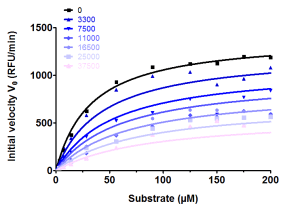
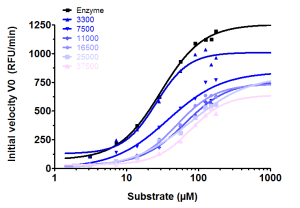
Nature-derived peptides are valuable molecules to target enzymes
Plant derived peptide- or protein-based protease inhibitors (PI) are a valuable source for evolutionary optimized natural inhibitors and modulators. At least twelve families of plant-PIs are known today, most of them share attributes such as a high enzyme selectivity as well as very potent inhibitory activity. Therefore, plant-PI are a versatile source for innovative research probes and for future peptide therapeutics targeting disease-relevant proteases (e.g. matriptase, prolyl oligopeptidase, neutrophile elastase, etc.).


New therapeutic option for autoimmune diseases
Autoimmune diseases (AD) are multifaceted illnesses with often severe impact on patients lifestyle. False communication in the body and thereof, unwanted cellular responses of the immune system can cause AD. To halt activation of adverse cellular immune responses or to stop migration to the inflamed tissue are valuable strategies for the development of peptide therapeutics. In the course of the project we aim to study nature-derived bioactive peptides to modulate immune cell migration and activation.
New technologies and peptide leads for transport into the blood brain barrier
The blood brain barrier (BBB) is a biological barrier protecting the CNS from xenografts. Our vision is to harness bioactive peptides toward degradation and to functionalize them for BBB transport. Our team works on the design and synthesis of peptide shuttles for receptor transport systems. Novel peptide therapeutics will be validated in established models for neurodegenerative and autoinflammatory diseases of the CNS.
 PeptAIDes